Pennhurst opened in 1908 as the Eastern Pennsylvania State Institution for the Feeble‑Minded and Epileptic, designed to house persons with mental and physical disabilities. Over time, the facility became badly overcrowded, under‐staffed, and underfunded; by the mid‑20th century it housed thousands more residents than it was ever designed for. Investigative journalism in the 1960s (notably the Suffer the Little Children series) exposed horrendous conditions there. The hospital was eventually closed in December of 1987 after lawsuits (like Pennhurst State School & Hospital v. Halderman) determined that the rights of its residents had been severely violated.
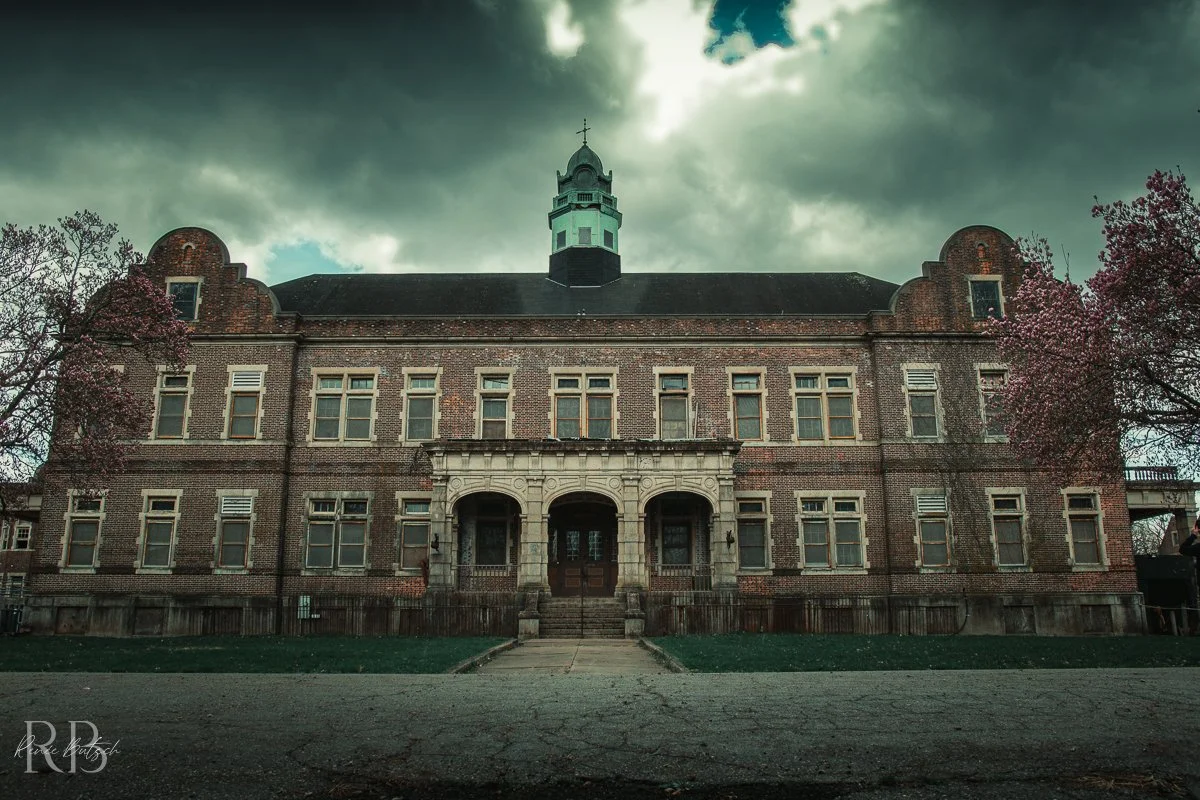
Pennhurst State School & Hospital
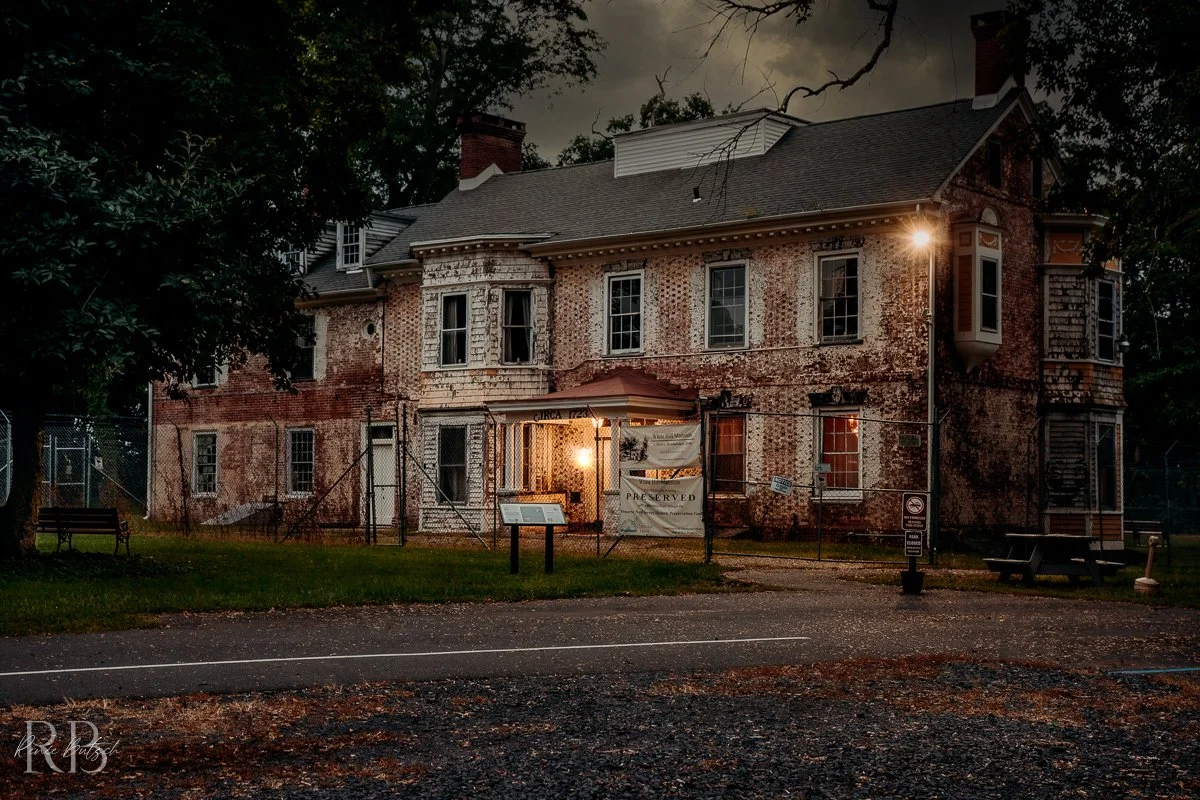
White Hill Mansion
White Hill Mansion, built in the early 1700s overlooking the Delaware River, carries a long and layered history that has fueled its reputation as one of New Jersey’s most haunted locations. Originally the home of the Field family, the estate witnessed Revolutionary War skirmishes, served as a speakeasy during Prohibition, and later operated as a restaurant. Each era left behind stories of conflict, tragedy, and shadowy figures that many believe still linger within the house’s walls.
Visitors and paranormal investigators often report disembodied voices, footsteps in empty hallways, and apparitions in both the basement and upper floors. The mansion’s dark cellars, once rumored to host illicit activities, are said to be especially active with unexplained phenomena. From soldiers to former owners, White Hill Mansion is thought to house restless spirits tied to its turbulent past, making it a sought-after destination for ghost hunters seeking authentic encounters.
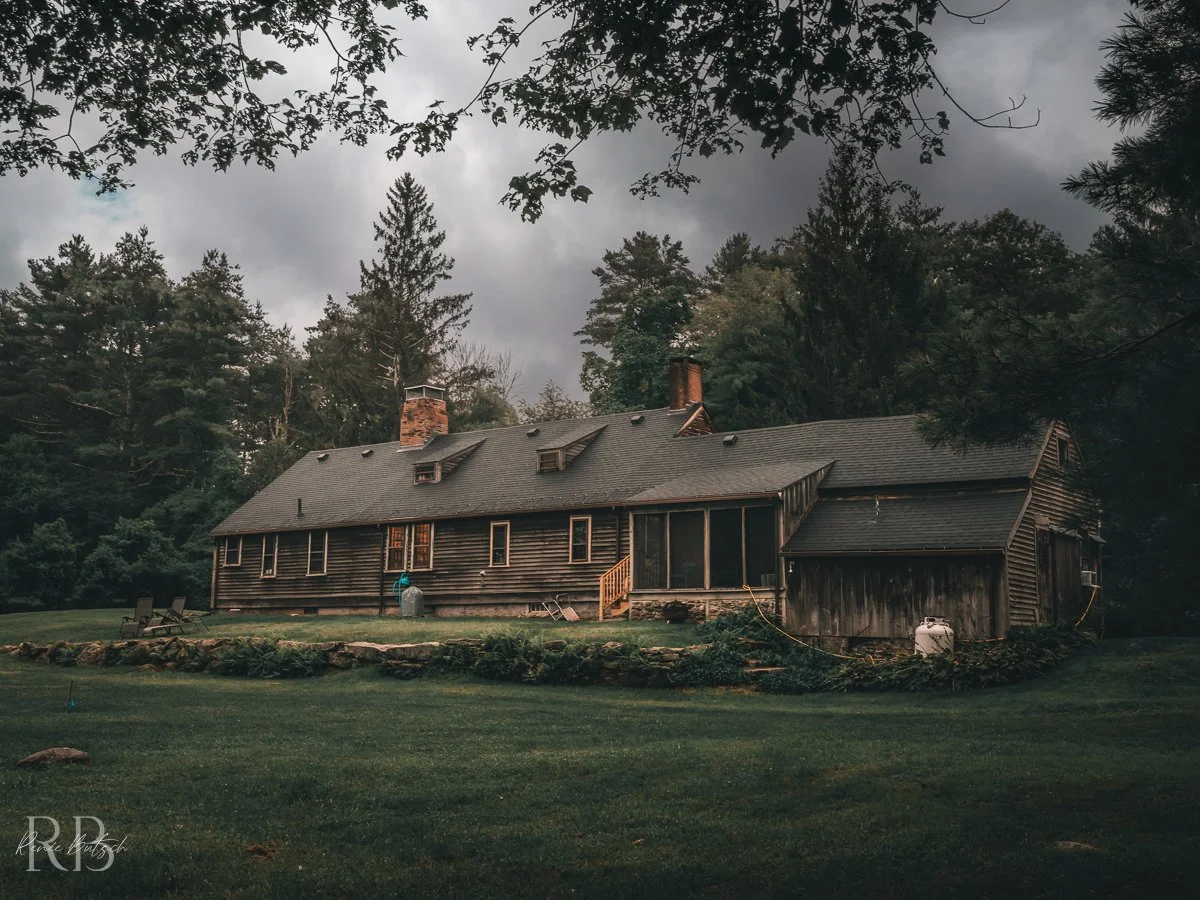
The Conjuring House
The Conjuring House, a colonial farmhouse in Harrisville, Rhode Island, became infamous after the Perron family moved in during 1971 and began reporting a host of unsettling experiences—unexplained noises, doors opening on their own, sudden temperature drops, and sightings of shadowy figures. The disturbances grew so intense that the family sought help from renowned paranormal investigators Ed and Lorraine Warren.
The Warrens spent time documenting the case, holding séances, and attempting to identify the sources of the hauntings. Their work at the farmhouse became one of their most talked-about investigations, later inspiring the 2013 film The Conjuring. Though the events remain the subject of debate, the Warrens’ involvement cemented the house’s reputation as one of the most haunted homes in America, drawing both skeptics and believers from around the world.
Trans-Allegheny Lunatic Asylum
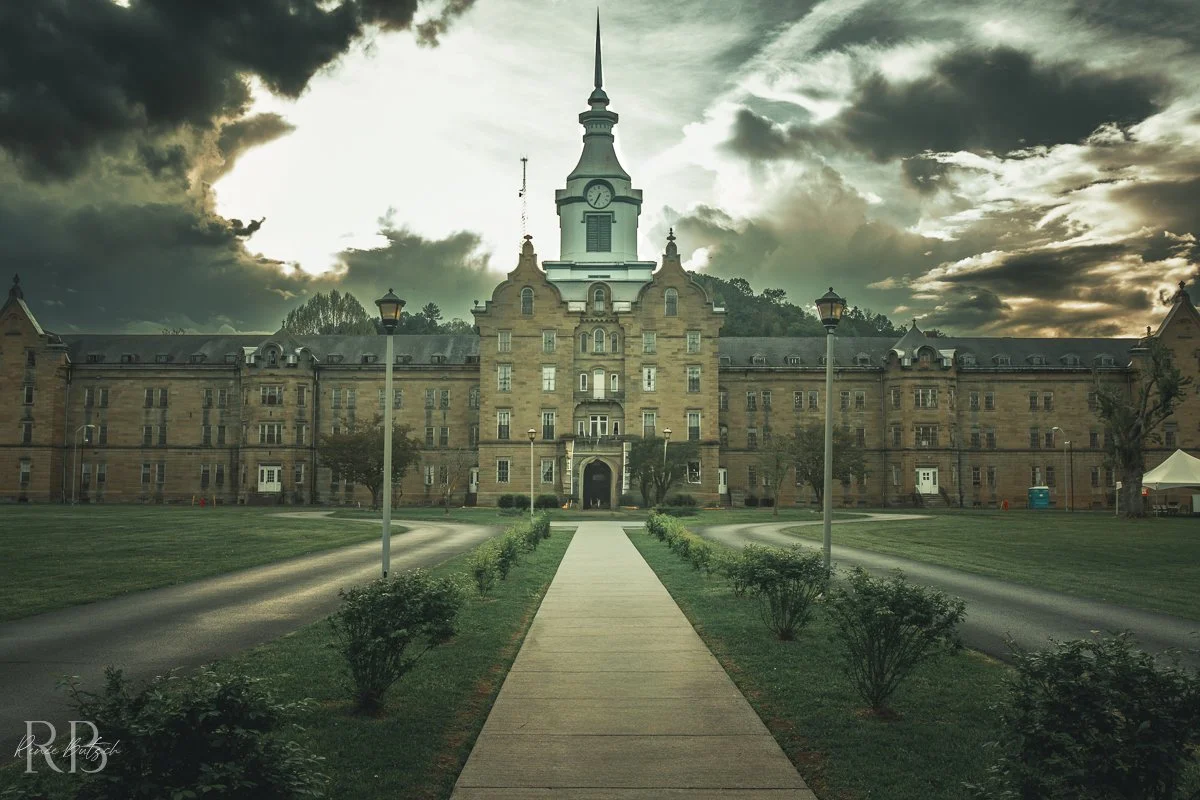
The Trans-Allegheny Lunatic Asylum (originally Weston State Hospital) opened its doors in 1864, built under the Kirkbride Plan, intended for about 250 patients. Over time, it ballooned to upwards of 2,400 people by the mid-20th century. Conditions deteriorated severely: overcrowding, under-staffing, neglect of sanitation, and experimental or extreme psychiatric treatments like lobotomies and insulin shock therapy.
Paranormal lore clings tightly to its walls. Visitors and ghost hunters report cold spots, strange shadows, disembodied voices, and footsteps in empty corridors.
Some spirits said to linger: a little girl named Lily, born at the asylum, who died young; a man who allegedly died from a heart attack in a bathtub; and multiple accounts of aggressive residents, patient violence, and even violent deaths in seclusion / isolation areas. Today, the building no longer functions as a hospital, but hosts historic tours, ghost tours, and overnight paranormal investigations.
The Shanley Hotel
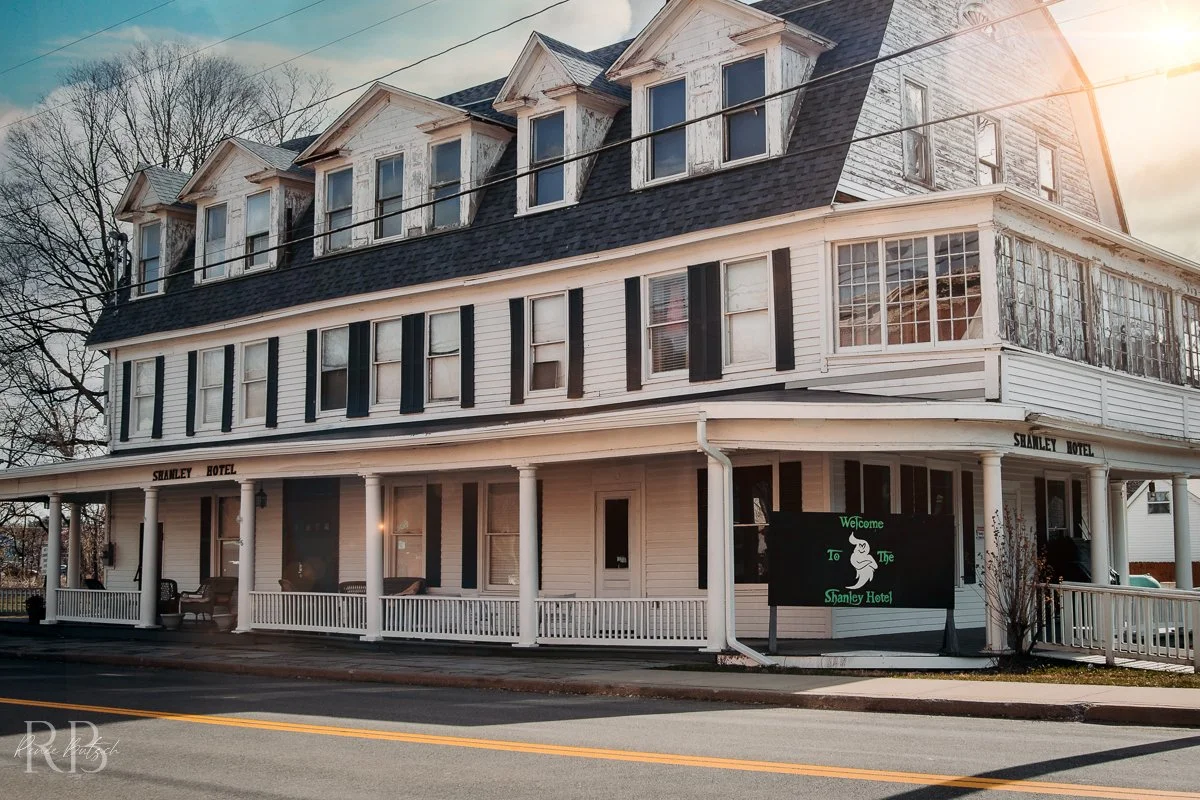
The Shanley Hotel, originally built in 1845 by Thomas Ritch (later renamed Mansion House), has gone through numerous owners and name changes over the years. In 1895 a fire destroyed much of the structure, but it was rebuilt and reopened by September of that year. James Louis Shanley purchased the hotel in 1906 and added amenities such as a barbershop, billiard room, bowling alley, and second‑floor apartments. Over time the hotel fell into disuse in the early 1990s, before being restored and reopened under new ownership.
The Shanley is reputed to be one of the more haunted hotels in New York, and there are many reports of paranormal activity. Guests have claimed to see shadowy figures and full‑body apparitions, particularly a mourning woman believed to be Beatrice Shanley. People have also reported sounds of children laughing or playing in empty rooms, disembodied voices, footsteps, mysterious whistling, sudden cold or hot spots, floral perfume smells where no one is wearing perfume, and smells of cooking with no food being prepared. Some paranormal investigators say they have captured EVPs (audio fragments), and even photos or video of apparitions and moving shadows.
Samuel Miller Mansion
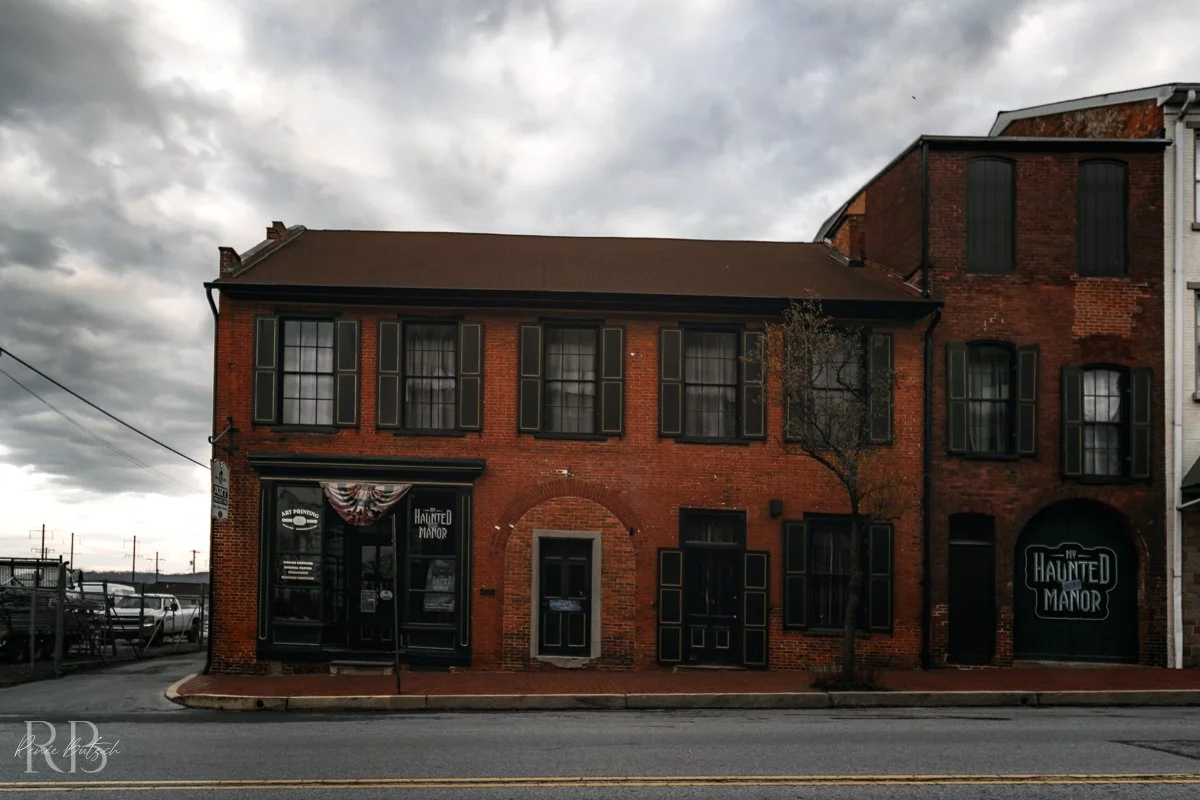
The Samuel Miller Mansion, located at 131 Locust Street, Columbia, Pennsylvania, is a historic building originally built in 1804 by Samuel Miller as a private residence. In 1811 it was sold to the Columbia Bank & Bridge Company, who used it as their office until about 1872. Over the years it has also housed various businesses, including a feed mill, a toy factory, a printing company, among others. The house has changed significantly — fireplaces have been removed, parts of the original staircases altered, and the building modified for commercial uses.
Because of its age and many uses, the Samuel Miller Mansion has become steeped in local ghost stories and claimed paranormal activity. Some people report hearing disembodied footsteps, especially in empty or unused rooms, and seeing shadows or experiencing feelings of being watched when alone in certain parts of the building. There are also stories connected with its role in the Underground Railroad: it's said there was an underground tunnel whose original opening can still be seen, and some claim to hear echoes or unintelligible sounds like faint singing or jubilee songs coming from the tunnel. Paranormal investigation teams and “My Haunted Manor USA” host events there, often using cameras, recording equipment, and overnight stays in hopes of capturing strange or unexplained phenomena.
The Villisca Axe Murder House
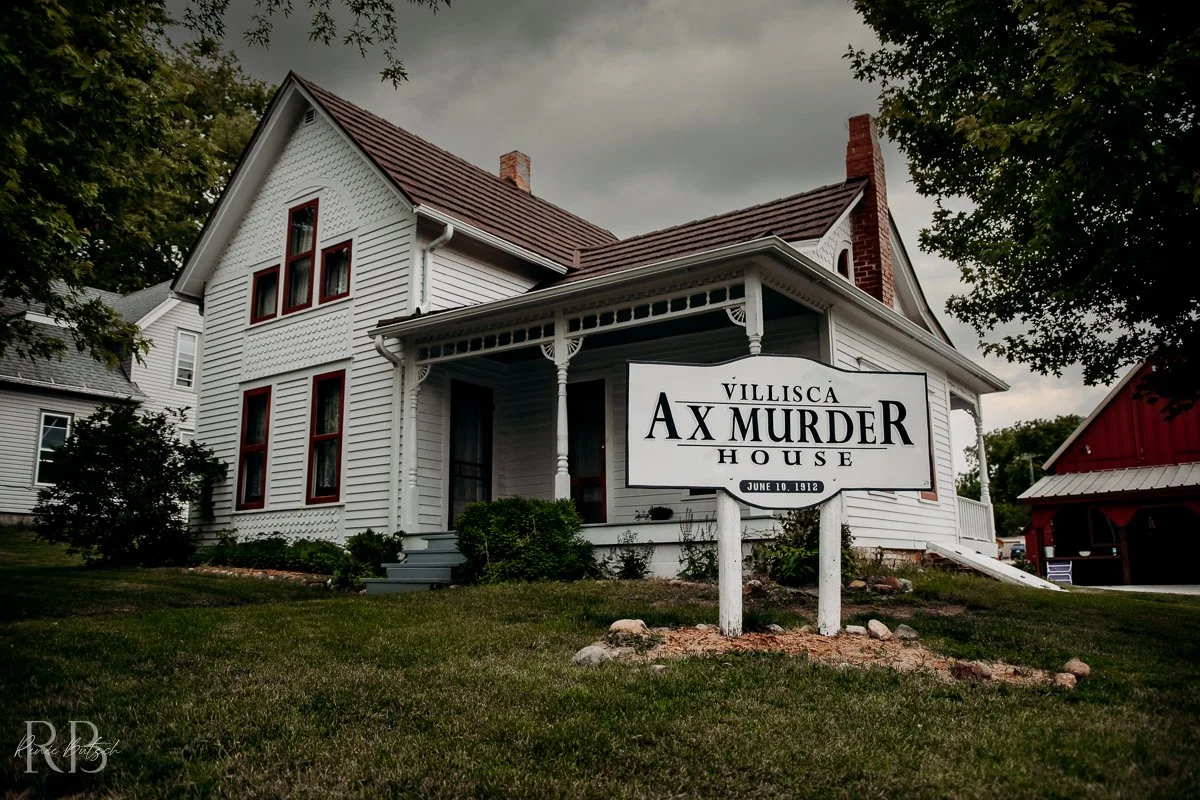
The Villisca Axe Murder House, located in Villisca, Iowa, is the site of one of America’s most infamous unsolved crimes. On the night of June 9, 1912, the Moore family—Josiah and Sarah Moore, their four children, and two visiting girls—were brutally murdered in their beds with an axe. Despite extensive investigations and multiple suspects, including a traveling preacher and local townsmen, no one was ever convicted. The house was eventually abandoned and fell into disrepair, but it was later restored to its 1912 condition and opened to the public as a museum and historic site, preserving the eerie mystery that continues to surround it.
Over the years, the Villisca Axe Murder House has gained a reputation as one of the most haunted locations in the United States. Visitors and paranormal investigators report strange phenomena such as disembodied footsteps, children’s voices, doors opening and closing on their own, and objects moving without explanation. Many claim to feel an overwhelming sense of dread or sadness within the house, particularly in the upstairs bedrooms. The site has been featured on numerous paranormal television shows, and overnight stays are popular among ghost hunters hoping to experience its lingering energy firsthand.